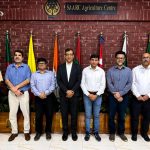
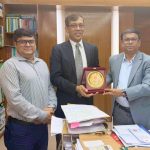
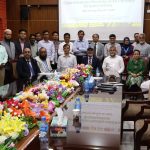
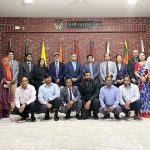
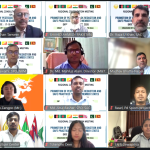
A discussion meeting was held on 18 October 2024 at Pakistan Agricultural Research Council (PARC) in Islamabad aimed at breed development in SAARC Member States through Shahiwal cattle progeny tested frozen semen. The Director, SAC Dr. Md. Harunir Rashid, Dr. Md. Younus Ali, Senior Program Specialist (Livestock) of the SAARC Agriculture Centre participated in the meeting. In addition, Dr. Syed Murtaza Hassan Andrabi, Member Animal Sciences Division and high officials from PARC joined the mutual interest meeting. The following areas were discussed for sustainable livestock development in South Asia between the PARC and SAC.
1. Composite Cattle and Goat Breeds Development: The purpose is to enhance livestock productivity in SAARC countries by creating composite breeds that combine desirable traits from various local and exotic breeds. The strategy involves genetic analysis and selective breeding practices. These initiatives will lead to improved meat and milk yields, increased disease resistance, and better adaptability to local environments.
2. Developing Buffalo Embryo Transfer (ET) Technology: Our aim is to increase the genetic potential of buffalo populations through advanced reproductive technologies, such as embryo transfer techniques. This initiative will also include training programs for veterinarians and technicians. The application of ET technology in major buffalo breeds of SAARC countries will facilitate faster genetic improvement, enhance productivity, and improve herd management.
3. Short Term Capacity Building Programs: This initiative aims to equip local farmers, veterinarians, and researchers with the necessary skills and knowledge in modern livestock health and production. The program will include workshops and training sessions led by experts, along with practical demonstrations and hands-on experience. The key outcomes will be an enhanced knowledge base, improved livestock management practices, and increased productivity in SAARC countries.
4. PhD Disciplines in Animal Genetics and Nutrition: The rationale is to develop a skilled workforce equipped with advanced knowledge in animal genetics and nutrition. The research focus will include molecular genetics, breeding strategies, nutritional genomics, and alternative feed resources.