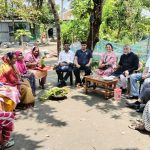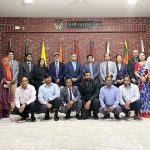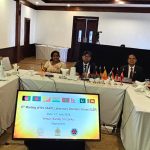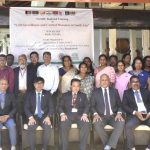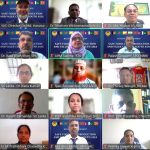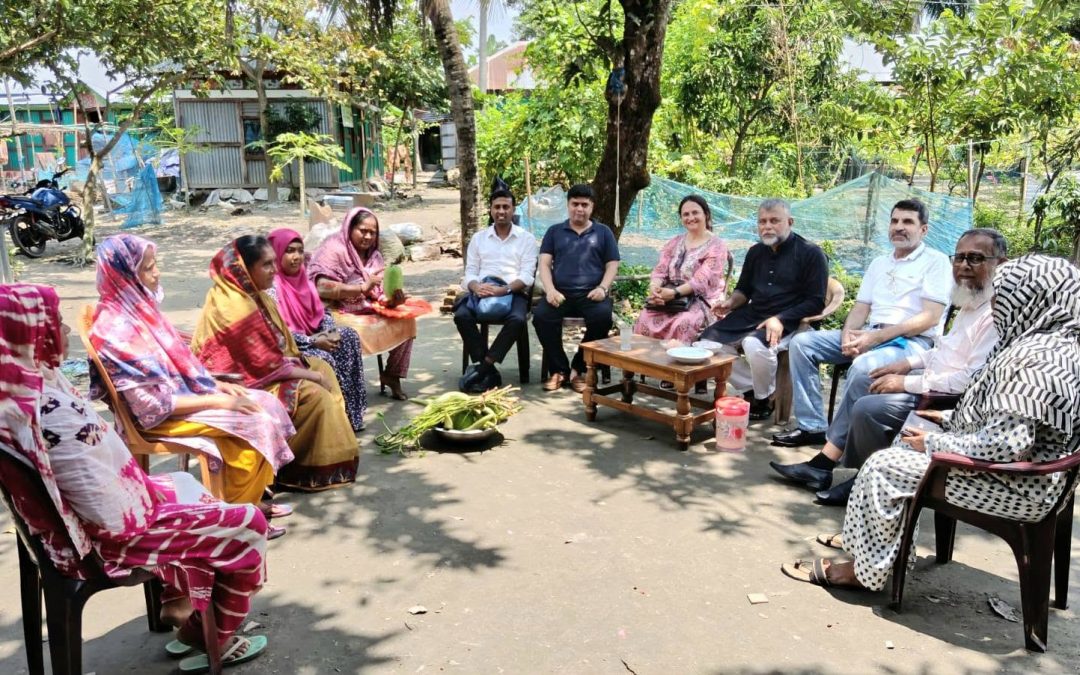
A delegation from the SAARC Agriculture Centre (SAC) visited Shikkha Shastha Unnayan Karzakram (SHISUK) in Daudkandi, Cumilla, on Friday, 21 August 2026, to learn about the organization’s pioneering community-based approaches to floodplain aquaculture, safe food production, organic farming and sustainable rural development.
Established in 1997, SHISUK has pioneered the renowned Daudkandi Model, which transformed seasonal floodplains into productive fisheries through collective management and active participation of local rural communities. The model has demonstrated how community-led management can contribute to sustainable fisheries, improved livelihoods and enhanced resilience among floodplain communities.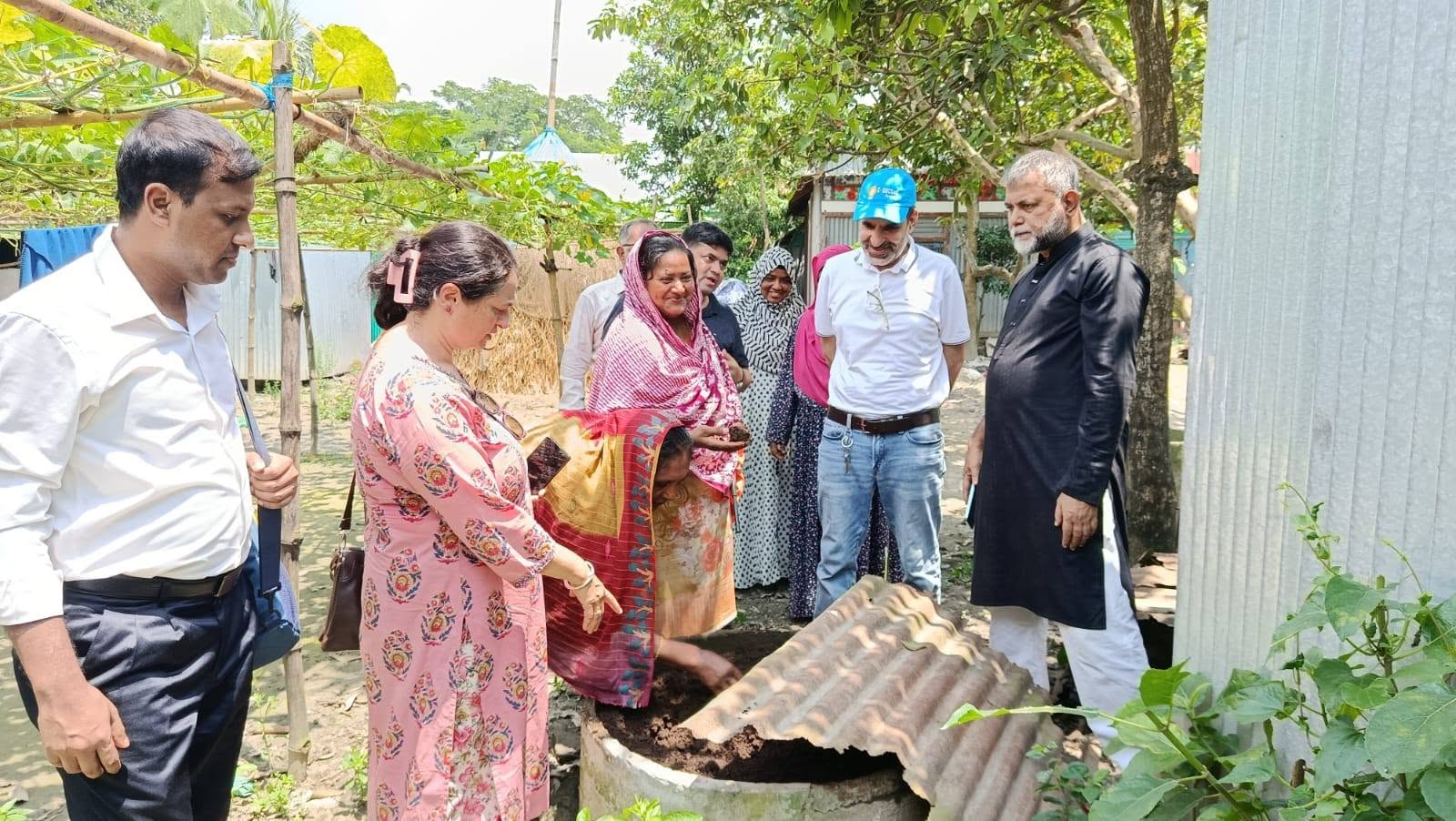 During the visit, the SAC delegation observed SHISUK’s initiatives on pesticide-free homestead gardening, indigenous seed conservation, organic farming and climate-resilient agricultural practices. Particular attention was given to the participation of women in household food production and community-based agricultural activities.
The delegation held discussions with SHISUK officials on community training, public health initiatives and the organization’s experiences in sustainable agriculture and fisheries. The discussions also explored opportunities for knowledge sharing, technical cooperation and future collaboration between SAC and SHISUK in areas of mutual interest, including sustainable agriculture, aquaculture, safe food production, climate resilience and rural development.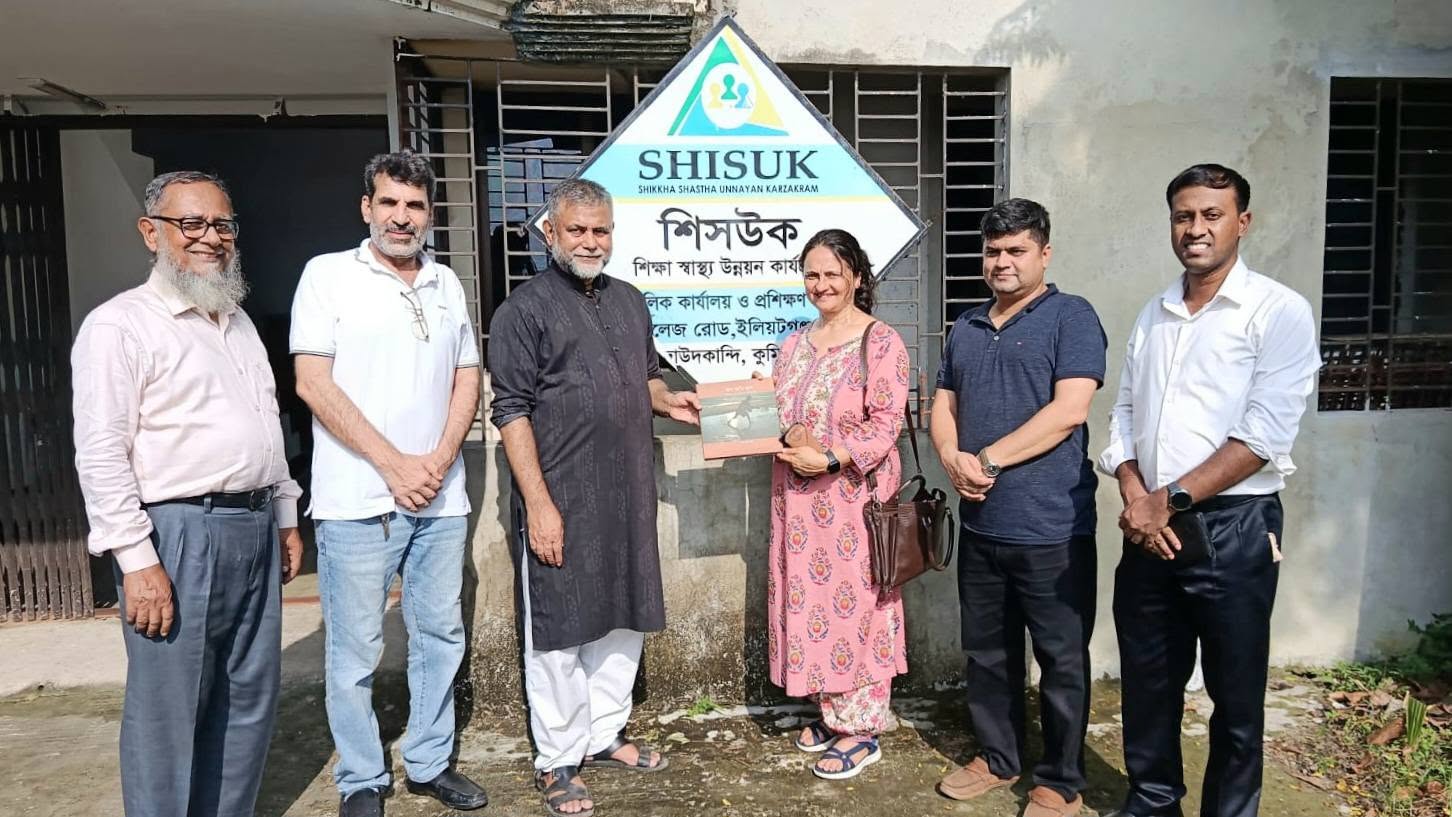 SHISUK is led by its Executive Director, Mr. Sakiul Millat Morshed, who briefed the delegation on the organization’s community-based development initiatives and experiences in implementing the Daudkandi Model.
The SAC delegation was led by Ms. Sobnam Shibakuti, Chairman of the SAARC Agriculture Centre Governing Body and Joint Secretary, Ministry of Agriculture and Livestock Development, Nepal. The delegation also included Dr. Raza Ullah Khan, Senior Program Specialist (NRM); Dr. Md. Shariful Islam, Senior Program Specialist (Fisheries); Mr. Md. Abul Bashar, Senior Program Officer (Pub.) and other officials of SAC.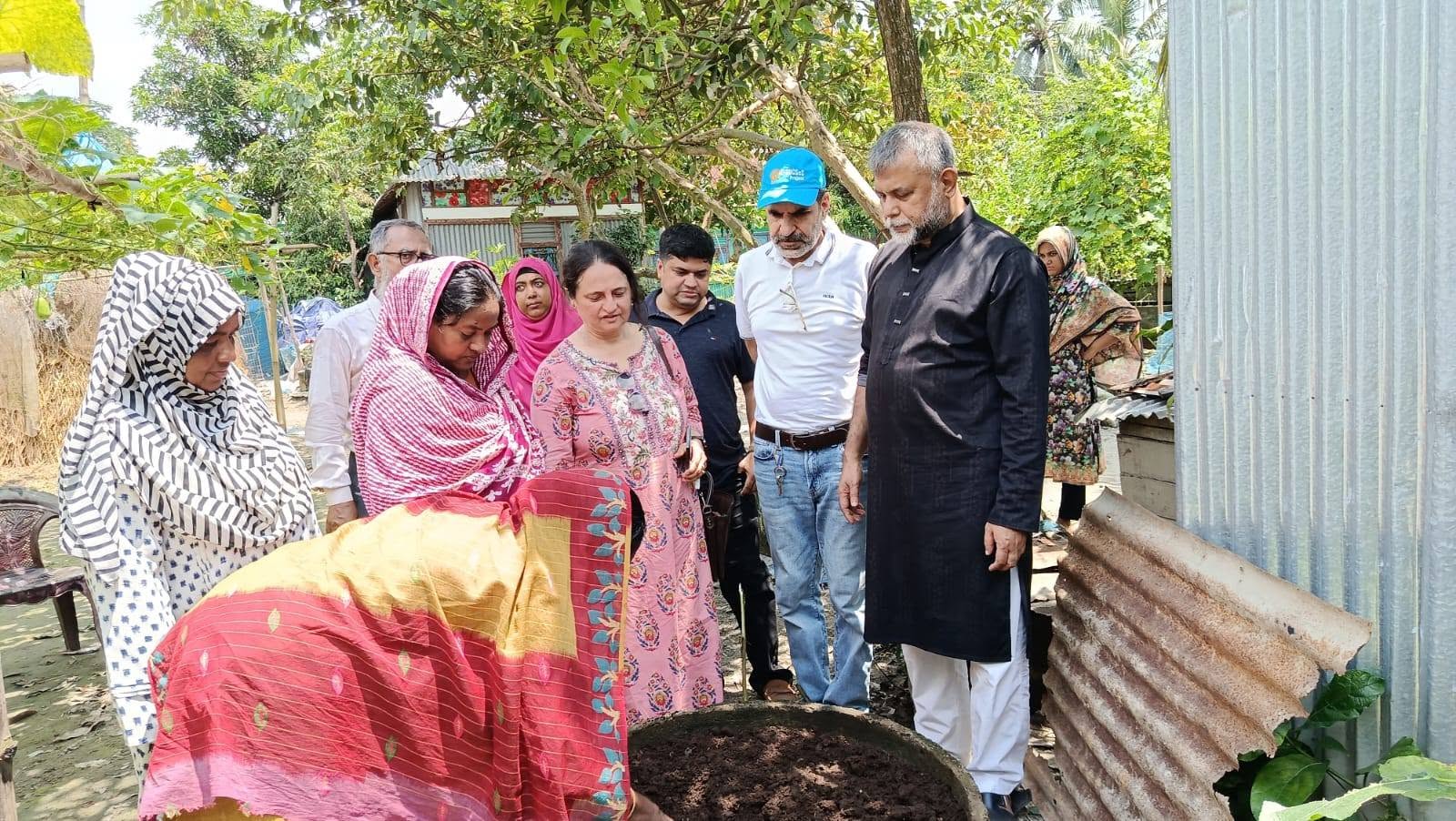 The visit provided an important opportunity for SAC to gain practical insights into community-led approaches to sustainable agriculture and fisheries and highlighted the potential for strengthening regional knowledge exchange and collaboration on resilient and sustainable agrifood systems in South Asia.